
Quick summary
These 7 winter business ideas get busier when the temperature drops, and every small town needs them:
- Snow removal: driveways, lots and walkways, often on seasonal contracts.
- Christmas trees: a seasonal lot or a long-term tree farm.
- Seasonal storage: winter homes for boats, RVs and campers.
- Chimney sweep: safety cleanings for wood stoves and fireplaces.
- Small engine and snowblower repair: tune-ups before the first storm.
- Firewood delivery: seasoned wood for homes that heat with wood.
- Holiday light installation: paid to put lights up and take them down.
Bonus idea: property checks for empty homes and cottages. The key to all of them: prepare early, because winter always comes back.
The best winter business ideas for a small town do the opposite of most local businesses: they get busier when the snow starts falling. While many shops slow down and customers stay home until spring, these businesses are in demand every single year, because winter always comes back.
Big national companies don’t send crews to plow driveways on country roads or deliver firewood to the farmhouse at the edge of town. That leaves the work, and the money, for local people. Many of these businesses can start with a truck, some tools and a few phone calls, then grow one customer at a time.
Below are seven winter businesses every small town needs, counted down to our top pick, plus a bonus idea, with what each costs to start, what customers pay, and how to get going.

Compare the 7 Winter Business Ideas
| Winter business | Startup cost | When you get paid |
|---|---|---|
| Snow removal | Medium | Seasonal contracts in fall |
| Christmas trees | Low (lot) to high (farm) | Late November to December |
| Seasonal storage | Low to high | Fall through spring |
| Chimney sweep | Low to medium | Fall and winter |
| Small engine repair | Low to medium | Year-round |
| Firewood | Medium | Fall and winter |
| Holiday lights | Low | November to January |
| Property checks (bonus) | Very low | All winter |
7. Holiday Light Installation
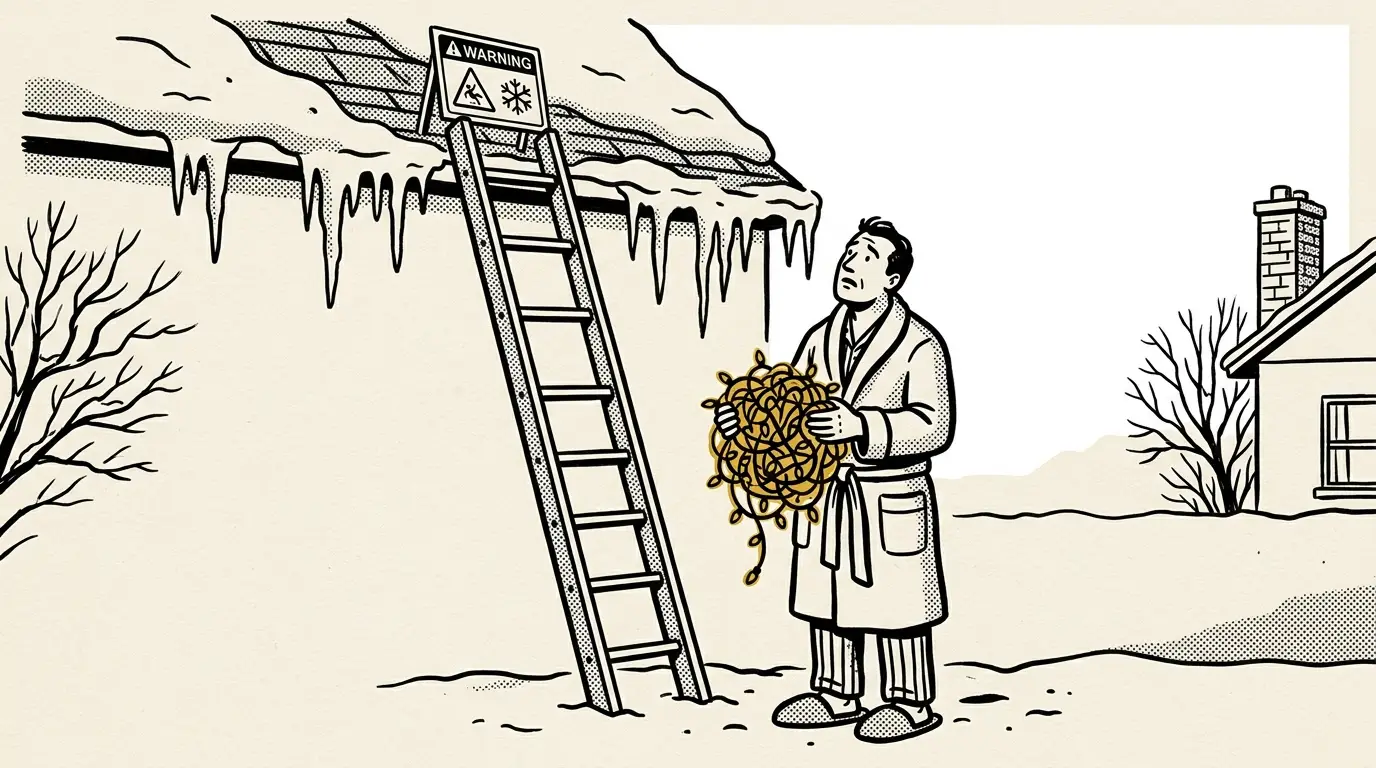
Every December, people want their house to look like a Christmas card, but many don’t want to climb a ladder in the cold to make it happen. Older homeowners, busy families and Main Street businesses all want to look festive without the risk of a fall.
According to HomeAdvisor, professional Christmas light installation averages about $444 for setup and takedown, with most jobs between $220 and $684. Installers typically charge $2 to $5 per foot of roofline for labor alone. And you get paid twice: once to put the lights up, and again in January to take them down.
What customers pay: About $220 to $684 for a typical home, including takedown.
Check first: Liability insurance for working at heights, and safe ladder practices.
How to get started
- Price by the foot. Measure the roofline and quote a package that includes installation, takedown and storage.
- Offer lights as part of the package. Many installers buy commercial-grade lights and lease them to customers, so the same lights earn money year after year.
- Sell to Main Street. Offer a package for downtown businesses and the town hall. When the whole downtown glows, everyone asks who did it.
- Book early. Start taking bookings in October, before the rush.
6. Firewood Delivery
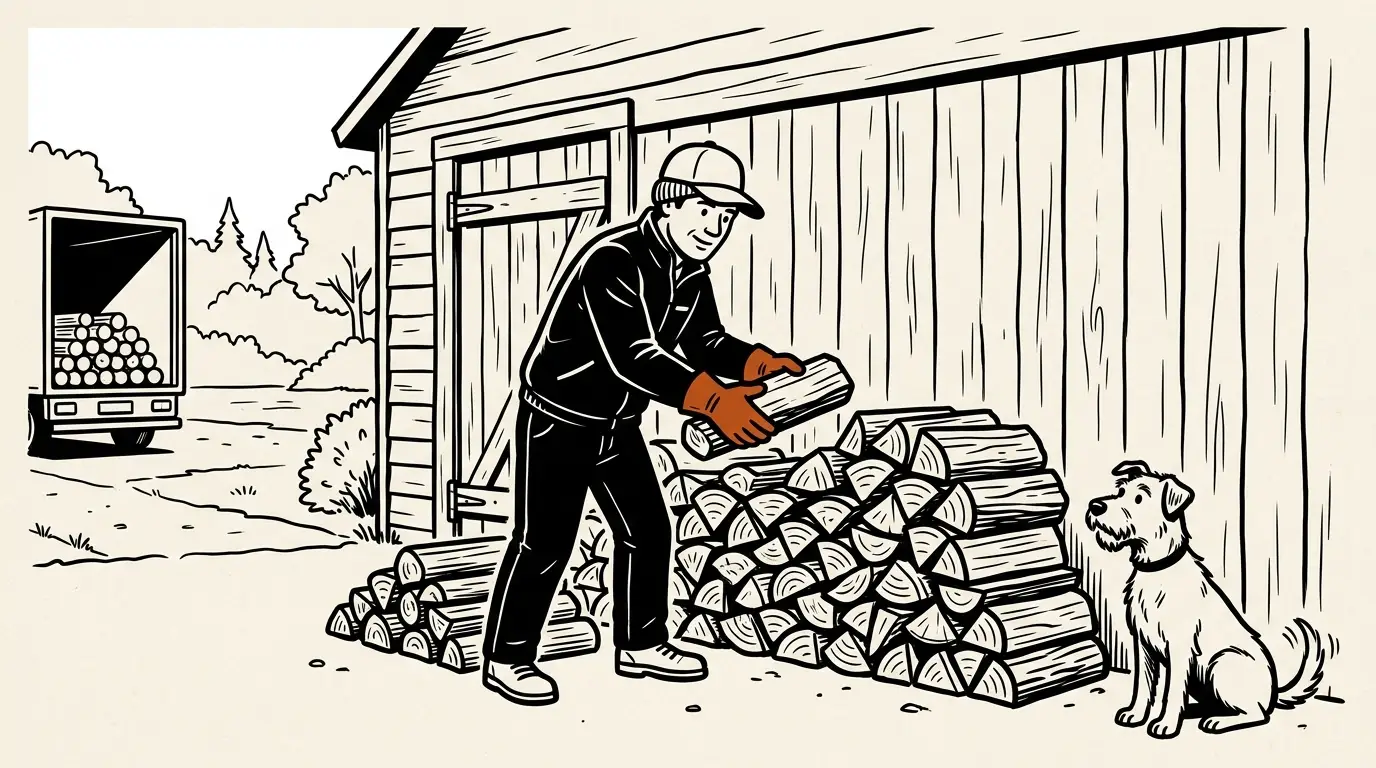
In small towns and rural areas, a wood stove isn’t a decoration. For many families, it’s how they heat the house. The U.S. Energy Information Administration has estimated that about 1.7 million American households use cord wood or wood pellets as their main heating fuel, and many more use a wood stove or fireplace for backup heat.
According to Angi, a full cord of firewood averages about $300, with most buyers paying between $150 and $500 depending on the type of wood, how well it’s seasoned and where they live. Hardwoods like oak bring the highest prices.
What customers pay: About $150 to $500 per cord, plus extra for delivery and stacking.
Check first: Many states restrict moving firewood across county or state lines to stop invasive pests, so cut and sell locally.
How to get started
- Find a wood source. Your own land, a local logging operation, or tree service companies looking for somewhere to drop logs.
- Plan ahead. Fresh-cut wood needs six months to a year to dry, or season, before it burns well. The people who cut and stack in spring get paid in fall.
- Sell seasoned wood at a premium. Customers happily pay more for wood that’s truly dry and ready to burn.
- Add services. Delivery and stacking add income from the same customer.

5. Small Engine and Snowblower Repair
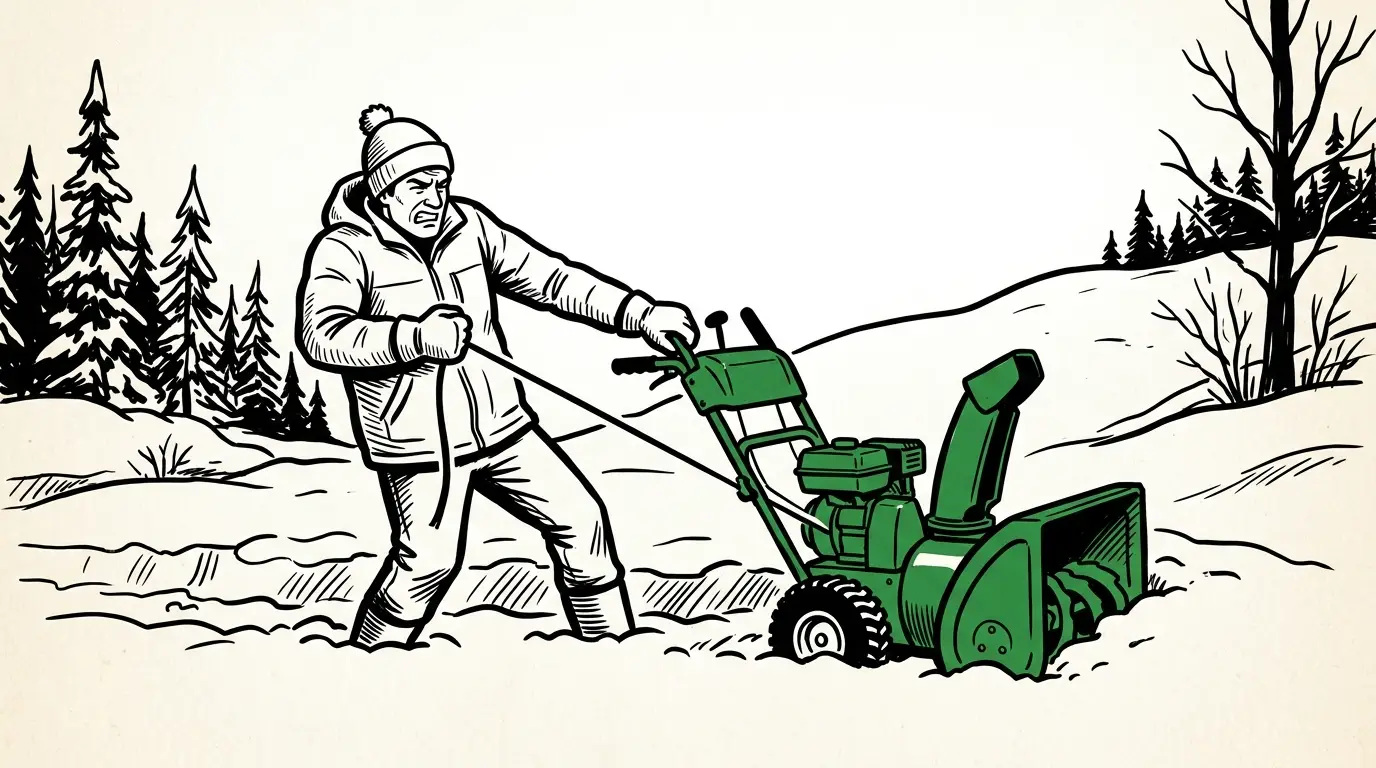
Every small town has garages full of machines with small engines: snowblowers, chainsaws, generators, ATVs and snowmobiles in winter, and lawn mowers, trimmers and tillers in summer. Every one of them eventually needs a tune-up or repair, and in many rural areas, equipment dealers have closed or have long waits in the busy season.
The first big snowstorm of the year is like Christmas morning for a small engine mechanic. Everyone pulls out their snowblower and discovers it won’t start.
What customers pay: An hourly shop rate plus parts, and often a diagnostic fee. Check what shops in your area charge.
Check first: Home business zoning for customer drop-offs, and safe disposal of old fuel and oil.
How to get started
- Build your skills. Many mechanics learn through community college programs or manufacturer training.
- Sell fall tune-up specials. Getting machines in before the snow flies spreads out your workload and locks in loyal customers.
- Offer pickup and delivery. Older customers especially will pay to avoid loading a heavy snowblower into a truck.
- Switch with the seasons. Move from snowblowers in winter to lawn mowers in spring for a true year-round business.
4. Chimney Sweep
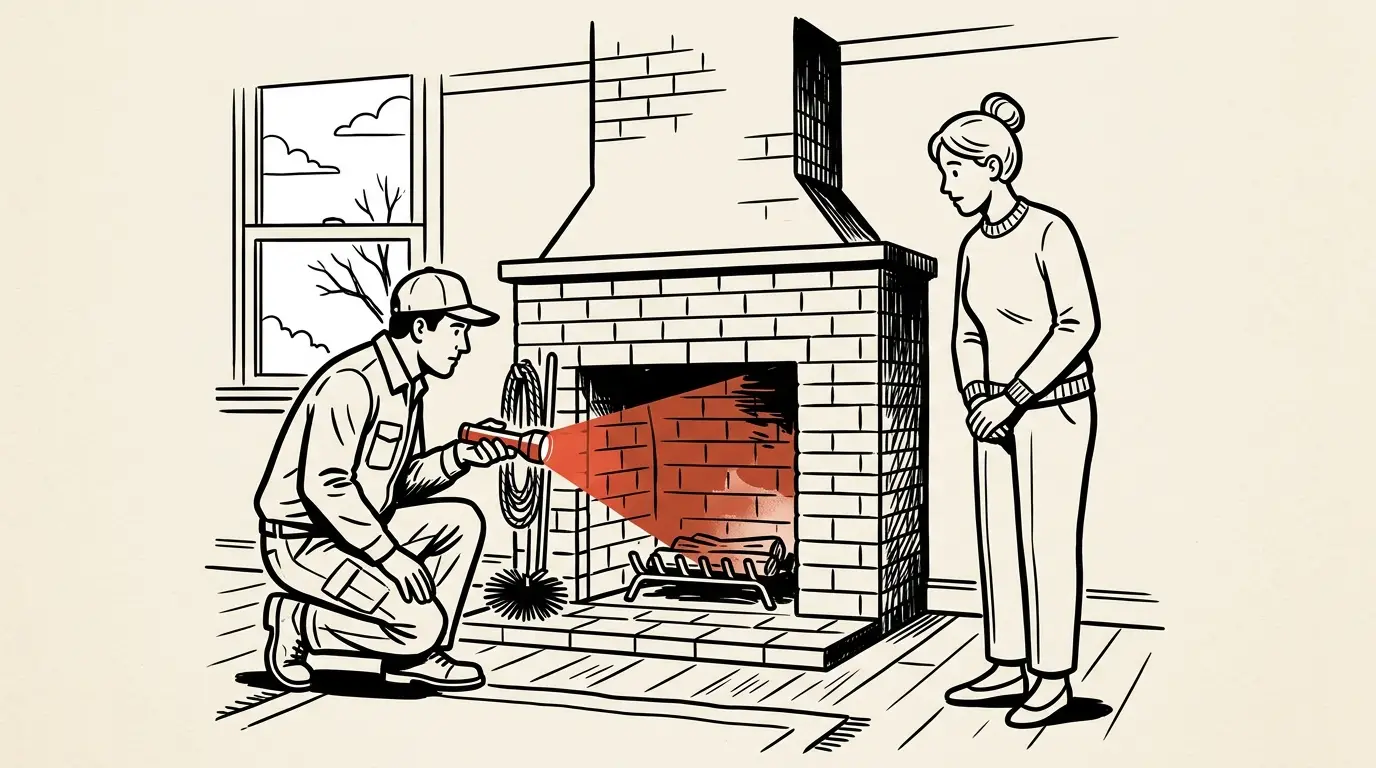
It’s one of the oldest trades there is, and in small towns full of wood stoves and fireplaces, it’s still badly needed. According to the National Fire Protection Association (NFPA), failure to clean is the leading factor in home heating fires, often from creosote building up inside chimneys. And nearly half of all home heating fires happen in December, January and February.
That’s why fire safety experts recommend having chimneys inspected every year and cleaned when needed. According to HomeAdvisor, chimney cleaning averages about $254, with most jobs between $129 and $380, and a basic sweep and inspection typically takes one to two hours.
What customers pay: About $129 to $380 per cleaning, with bigger jobs for caps, liners and repairs.
Check first: Certification. The Chimney Safety Institute of America (CSIA) offers a certification homeowners recognize.
How to get started
- Get trained and certified. CSIA certification tells customers you know what you’re doing.
- Book the busy season early. Fall is peak demand, so start taking bookings in late summer.
- Offer upgrades. Chimney caps, damper repairs, liners and masonry work bring in bigger tickets.
- Send annual reminders. Yearly inspections create built-in repeat customers.
3. Seasonal Storage

Think about everything people in your community can’t use when the snow flies: boats, campers, RVs, motorcycles, pontoons and classic cars. All of it needs somewhere safe to spend the winter, and most people don’t have the room.
Demand is strong. Yardi Matrix reported that RV and boat parking rents rose 4.4% year over year in September 2025, the fastest growth it has recorded for the segment. And the most valuable thing this business needs, space, is something small towns have plenty of.
What customers pay: Monthly or seasonal rent, with more for covered and indoor spots.
Check first: Zoning for storage use, insurance, and a written storage agreement.
How to get started
- Use space you already have. An empty barn, pole building or fenced lot at the edge of town can become a storage business.
- Start with outdoor spots, then add covered or indoor spaces as demand grows.
- Sell seasonal packages that run from fall to spring.
- Add services. Winterizing campers, shrink-wrapping boats, keeping batteries charged and delivering everything back to the lake in spring can earn as much as the storage itself.
Bonus: Property Checks and Winterization
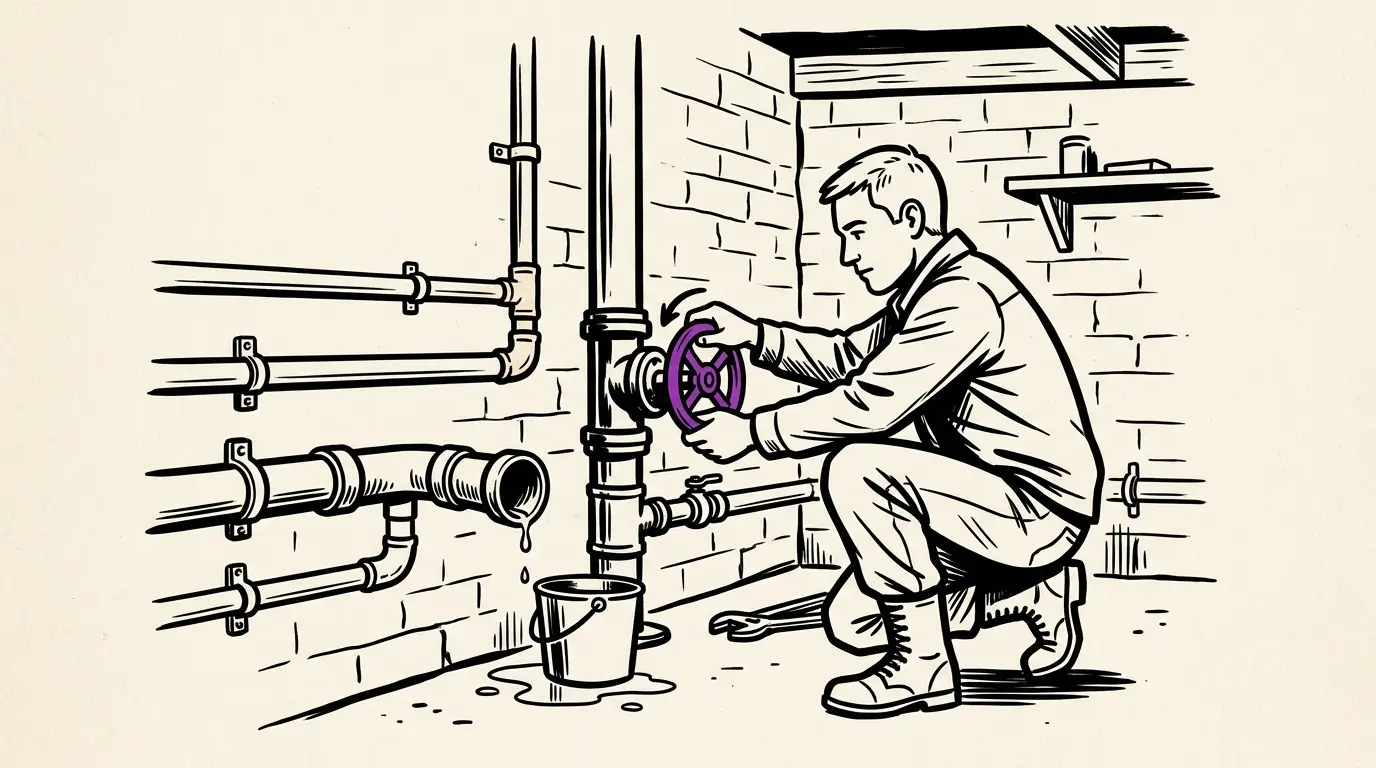
Many small towns have homes and cottages that sit empty all winter. Snowbirds head south, cottage owners return to the city, and houses are left alone for months. An empty house in winter is a risk: a furnace that quits can lead to frozen pipes and thousands of dollars in damage before anyone notices. Some insurance policies also expect owners to have someone check on a vacant home regularly.
A property check business visits each house every week or two: checking the heat, looking for leaks, clearing snow from the steps, taking photos and sending the owner a quick report. In the fall, you can also offer winterization, like shutting off and draining the water.
What customers pay: A monthly fee per property, plus extra for winterization and snow clearing.
Check first: Liability insurance, a written agreement, and a secure system for handling keys.
2. Christmas Trees
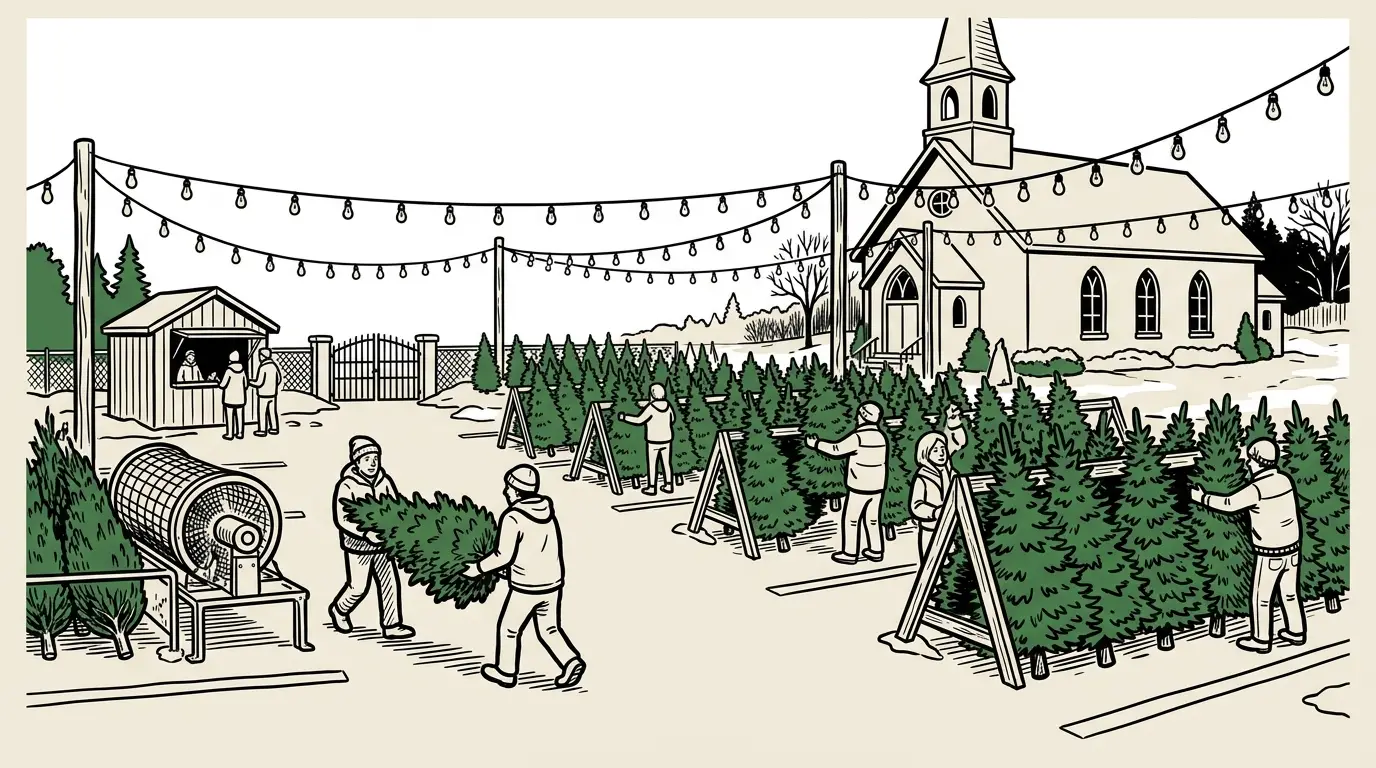
For many families, picking out a real Christmas tree is a tradition they wouldn’t miss. According to the National Christmas Tree Association, about 25 to 30 million real Christmas trees are sold in the United States every year.
There are two ways into this business. A tree farm is a long-term investment: a typical 6- to 7-foot tree takes anywhere from 4 to 15 years to grow, about 7 years on average. A Christmas tree lot is much faster: you buy trees wholesale from a grower and sell them in a busy location for about a month.
What customers pay: Retail prices well above wholesale, plus wreaths, garland, stands and delivery.
Check first: Permission and any permits for your lot location, and a reliable wholesale grower.
How to get started
- Secure a high-traffic location, such as a church parking lot, gas station or empty lot on Main Street.
- Order from a grower early. Popular sizes and varieties sell out, so lock in your trees well before November.
- Sell more than trees. Wreaths, garland, tree stands and hot chocolate raise the value of every visit.
- Offer delivery and setup. Families want an experience, and they’ll pay for convenience.
- Thinking long-term? Look for an existing tree farm whose owners are ready to retire.
 The platform we useSell online and in person with ShopifyWe run our own small-town business on Shopify. Build a simple online store, take payments at markets and craft fairs, and manage it all from your phone.Start your free trial →
Affiliate link: if you sign up through this link, we may earn a commission at no extra cost to you.
1. Snow Removal
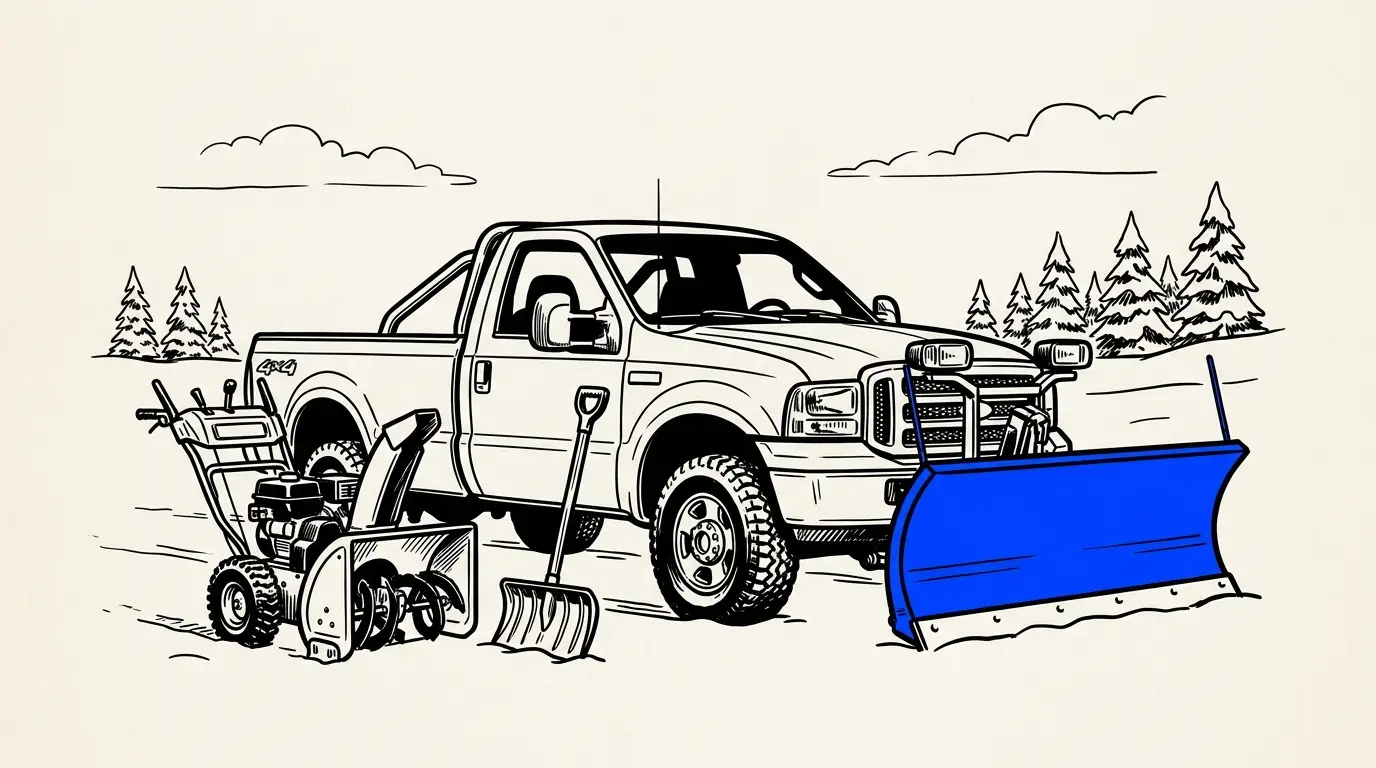
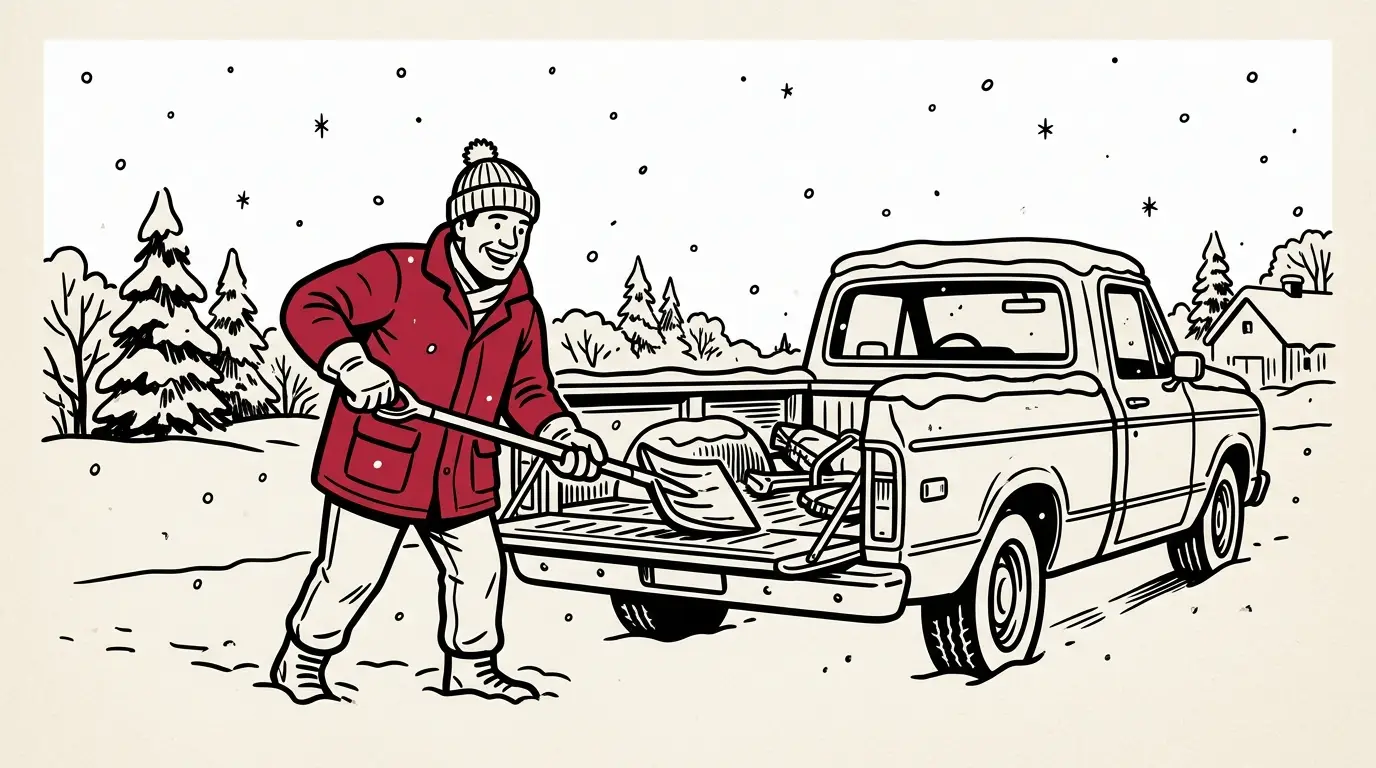
When it snows in a small town, life stops until somebody clears it. Driveways, parking lots, churches, the grocery store, the medical clinic and the bank all have to be cleared, often before sunrise. It’s our number one winter business because demand is guaranteed every year, and most snow removal companies are small, local operators.
The smartest way to earn is seasonal contracts. According to HomeAdvisor, residential seasonal contracts typically run about $200 to $700 for the winter, while commercial plowing is often billed at $50 to $200 an hour. Best of all, customers sign seasonal contracts in the fall, so you can get paid before the first snowflake falls.
What customers pay: About $200 to $700 per season for homeowners, and hourly or contract rates for businesses.
Check first: Insurance. Slip-and-fall claims are a real risk, and commercial customers will ask to see your coverage.
How to get started
- Start with walkways and driveways if you don’t have a plow truck yet.
- Sign seasonal contracts in the fall for predictable income, whatever the snowfall.
- Serve the people who need you most: seniors who can’t shovel anymore and businesses that must be cleared before opening.
- Ask about municipal work. Towns sometimes hire local contractors when their own crews can’t keep up.
Bonus Tip: You Can’t Change the Seasons

Jim Rohn grew up on a farm in Idaho, built a successful business career and spent decades teaching entrepreneurs how to succeed. He loved to talk about the seasons, and one of his best-known lines is: “You cannot change the seasons, but you can change yourself.”
Winter is going to come every year. You can’t make January disappear, but you can prepare for it. That’s what every business on this list is built on. The firewood seller cuts and stacks in the spring. The plow operator signs contracts in the fall. The Christmas tree grower plants years ahead. They can’t change the winter, but they’ve prepared for it, and that’s why winter pays them.
So whatever business you choose, start getting ready now. For more ideas that last, read our guide to small town businesses that never fail, or see more small town side hustles that make money.
Frequently Asked Questions
What is the most profitable winter business?
Snow removal is one of the most reliable, because seasonal contracts are signed in the fall and demand returns every year. Chimney sweeping and holiday light installation also earn well per job with low startup costs.
What winter business can I start with little money?
Holiday light installation and property checks need very little to start: a ladder, safety gear, a vehicle and insurance. A Christmas tree lot can also start small if you buy trees wholesale.
Which winter businesses can run year-round?
Small engine repair switches from snowblowers to lawn mowers, firewood can be cut and sold all year, and storage can serve summer equipment too. Snow removal also pairs naturally with summer lawn care or landscaping.
When should I start a winter business?
Start preparing in the spring and summer. Firewood needs months to season, contracts and bookings are signed in the fall, and Christmas trees must be ordered well before November.
The platform we useSell online and in person with ShopifyWe run our own small-town business on Shopify. Build a simple online store, take payments at markets and craft fairs, and manage it all from your phone.Start your free trial →Affiliate link: if you sign up through this link, we may earn a commission at no extra cost to you.
| Affiliate Disclosure: Launchyoursmallbusiness.com uses affiliate links. If you click on a link and make a purchase, we may earn an affiliate commission, at no extra cost to you. |